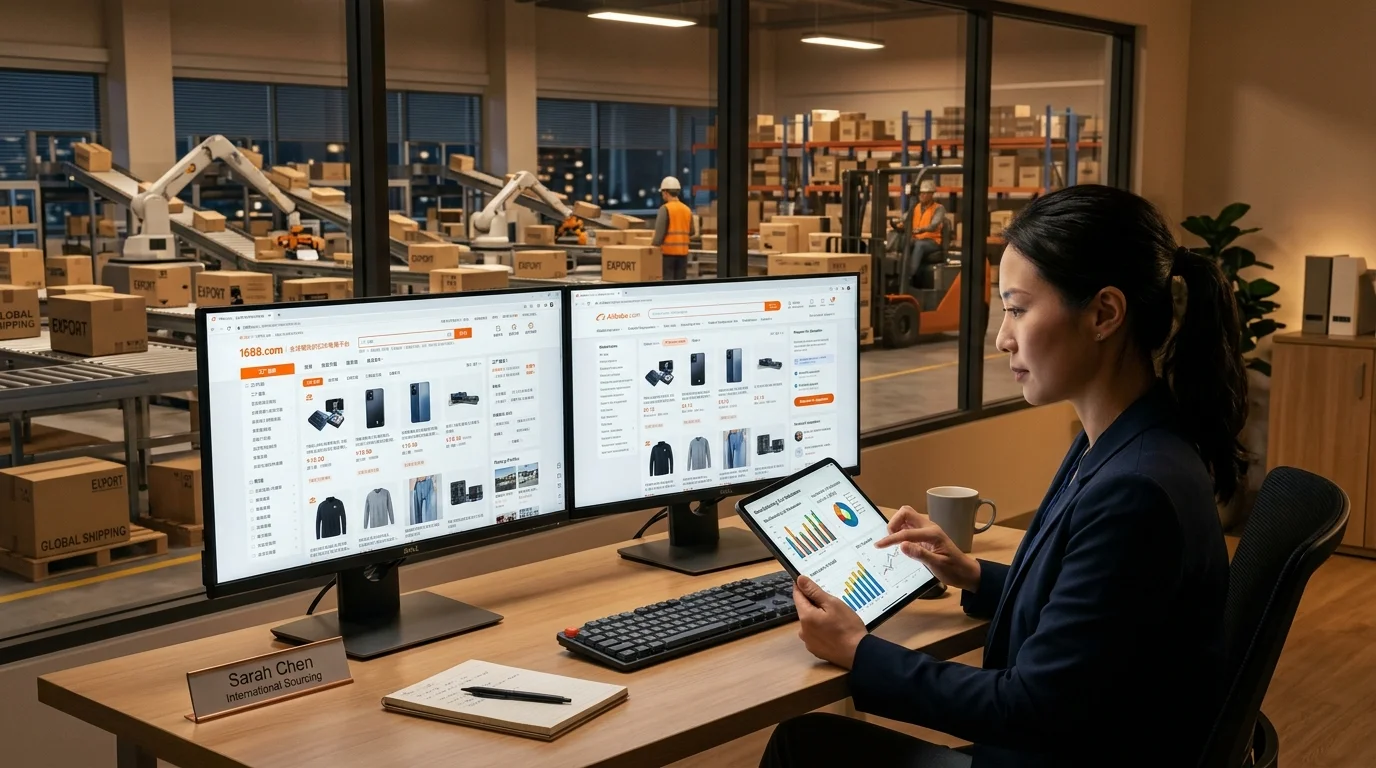
What is MOQ (Minimum Order Quantity) and the Ultimate Strategy to Overcome It?

The Entry Barrier: Defining MOQ
If you have ever attempted to reach a premier manufacturer on Alibaba or Global Sources requesting pricing for insulated drinkware or cutting-edge wireless earbuds, you likely hit a frustrating condition:MOQ: 1,000 units.
TheMOQ (Minimum Order Quantity)represents one of the most critical commercial thresholds in global procurement. It dictates the minimum unit volume or baseline dollar commitment necessary for a manufacturer to initiate production lines for your order. But why do industrial plants enforce this with such uncompromising firmness?
The reality of B2B manufacturing is that per-unit margins frequently boil down to cents. Industrial factories are engineered strictly for high-volume economies of scale. When you request a batch of 50 custom jackets sporting your logo, the plant must halt continuous operations, retool machinery, calibrate color dyes, and assign specialized operators.
Machine setup and changeover costs completely erode operating profitability on fragmented batches. Hence, the MOQ exists to guarantee that the manufacturer covers initial factory overhead and protects baseline margins before turning on the assembly line.
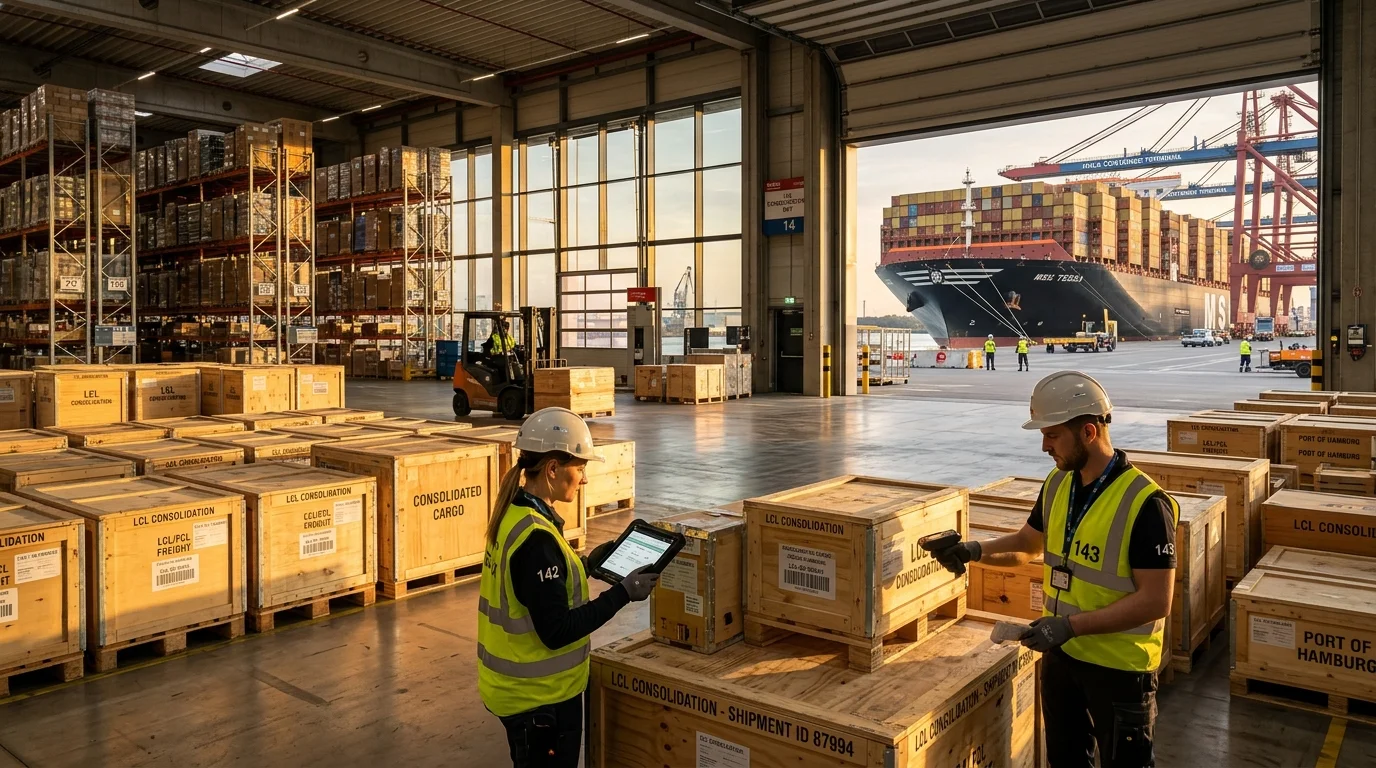
Groupage & LCL Imports to Peru: How to Ship Consolidated Cargo from 1 CBM with Qargo
Learn how commercial groupage and Less than Container Load (LCL) consolidation work in Peru: import from 1 CBM with your own independent customs declaration, sharing ocean freight while avoiding illegal informal groupage traps.
Proven Tactical Approaches to Negotiate Lower MOQs
Seasoned procurement professionals recognize that published MOQs are rarely non-negotiable. Strategic tactics can persuade vendors to lower thresholds for an initial "Trial Order".
1. Offering a Unit Surcharge:Offer to disburse an additional 15% to 20% on the baseline unit cost to cushion fixed production setups. Even with a minor surcharge, you test the domestic market with vastly less immobilized capital and minimal risk. Paying $1.50 for 200 units is far safer than locking up liquidity for 2,000 units with unverified demand.
2. Consolidating Pre-Existing Colors and Materials:Often an MOQ is set at 1,000 because custom fabric dyeing requires large chemical vats. Inquire: "Which exact colors or materials are currently running on your factory floor?" Piggybacking on an active multinational production run allows the vendor to fulfill small trial batches seamlessly.
3. Positioning Long-Term Scalability:Asian manufacturing culture places immense premium on enduring business relationships. Project yourself as an established corporate buyer: "We are an expanding Latin American distribution firm executing an initial integration run to validate customs clearance and retail packaging, targeting 5,000 units in Q3."
The Modern Paradigm: Group Sourcing and CBM Freight Consolidation
Even with masterful negotiation, complex technical hardware or specialized consumer electronics enforce inflexible thresholds. This is where cutting-edge logistics ecosystems provide a decisive competitive edge:Collective Group Buying.
Group sourcing dissolves the MOQ obstacle by democratizing international trade. It functions as institutional procurement crowdfunding.
Instead of a single small enterprise absorbing the financial burden of ordering 2,000 commercial blenders demanded by a Shandong factory, a central consolidation platform pools capital across 40 independent business owners ordering 50 units each. Collectives comfortably clear factory minimums and command corporateTier 1 Pricing.
This architecture delivers compounded strategic benefits:
A) Fractional Maritime Ocean Freight:Shipping 50 blenders via Less-than-Container Load (LCL) incurs high fixed administrative and port terminal fees. Pooling volume into a Full Container Load (FCL) reduces shipping expenses per cubic meter (CBM) by up to 60%.
B) Eradication of Redundant Brokers:Consolidating cargo into a master shipment eliminates separate customs filings. A single clearance is executed at destination, followed by domestic logistics distribution directly to each co-importer.
Collaborative foreign trade represents the future of commercial distribution. Solitary sourcing incurs retail-level fees; unified volume secures long-term institutional margins.
Can I customize my private label when participating in group orders?
Group sourcing programs generally focus on standardized white-label products to fulfill factory MOQs without production delays. Distinct individual labeling on small portions breaks economies of scale. Custom OEM tooling requires meeting standalone factory minimums.
Is co-importing legally sanctioned under customs regulations?
Completely legal. In Peru, transactions are executed through commercial Consortium agreements, joint ventures, or established master importers acting as Importer of Record and issuing domestic invoices with formal VAT credits.
How can I ensure my capital remains secure in pooled purchases?
Work exclusively with formal, established logistics providers with clean customs track records, registered with tax authorities, and offering binding escrow contracts and comprehensive all-risk Institute Cargo Clauses (Type A).
You Might Also Be Interested In
Expand your knowledge with more international trade guides.
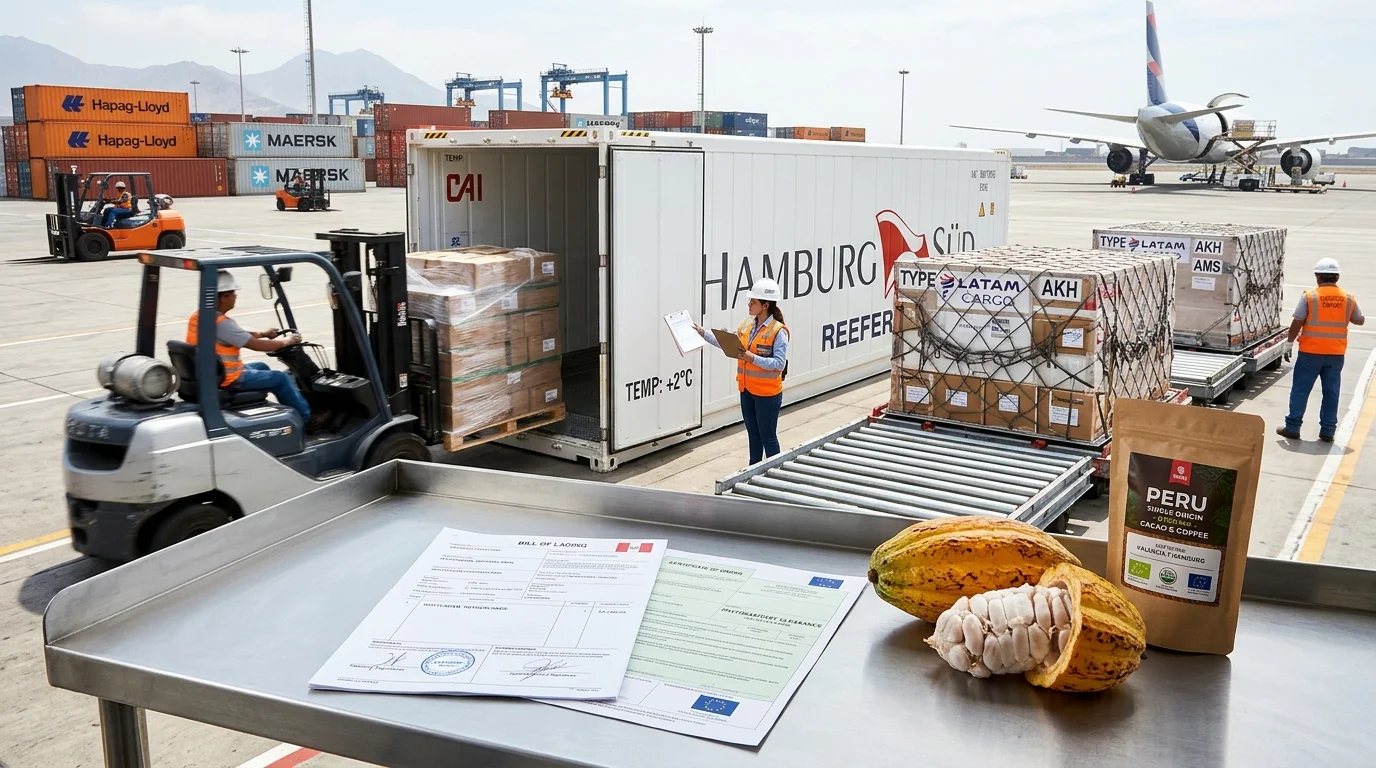
Exporting from Peru to Europe in 2026: Freight Costs, EUR.1 Certificate, Cadmium Limits & EU Customs Regulations
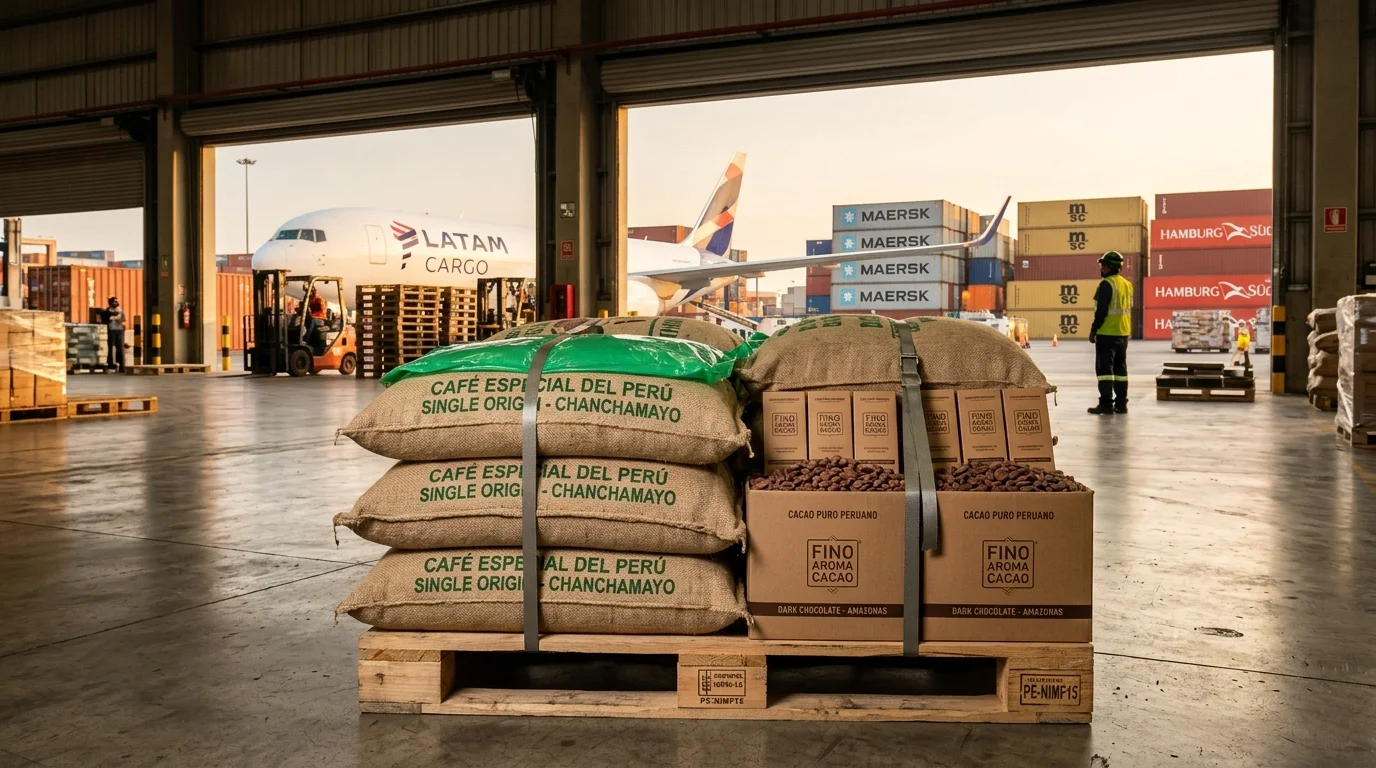
How to Export Coffee and Cacao Chocolates from Peru (2026): SENASA/DIGESA Permits, $2,000 vs $5,000 SUNAT Rule & Packaging