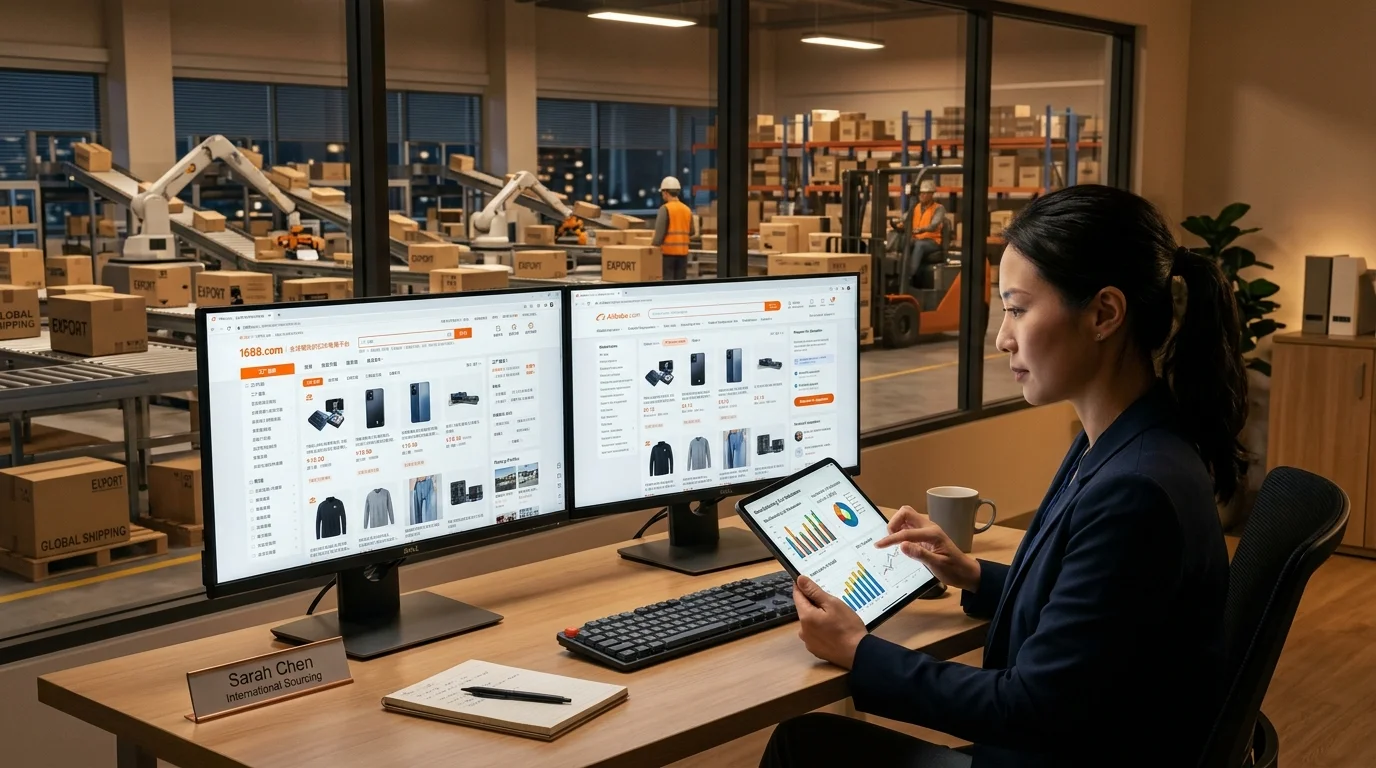
How to Import from China to Peru in 2026: The Ultimate Step-by-Step Guide for Businesses
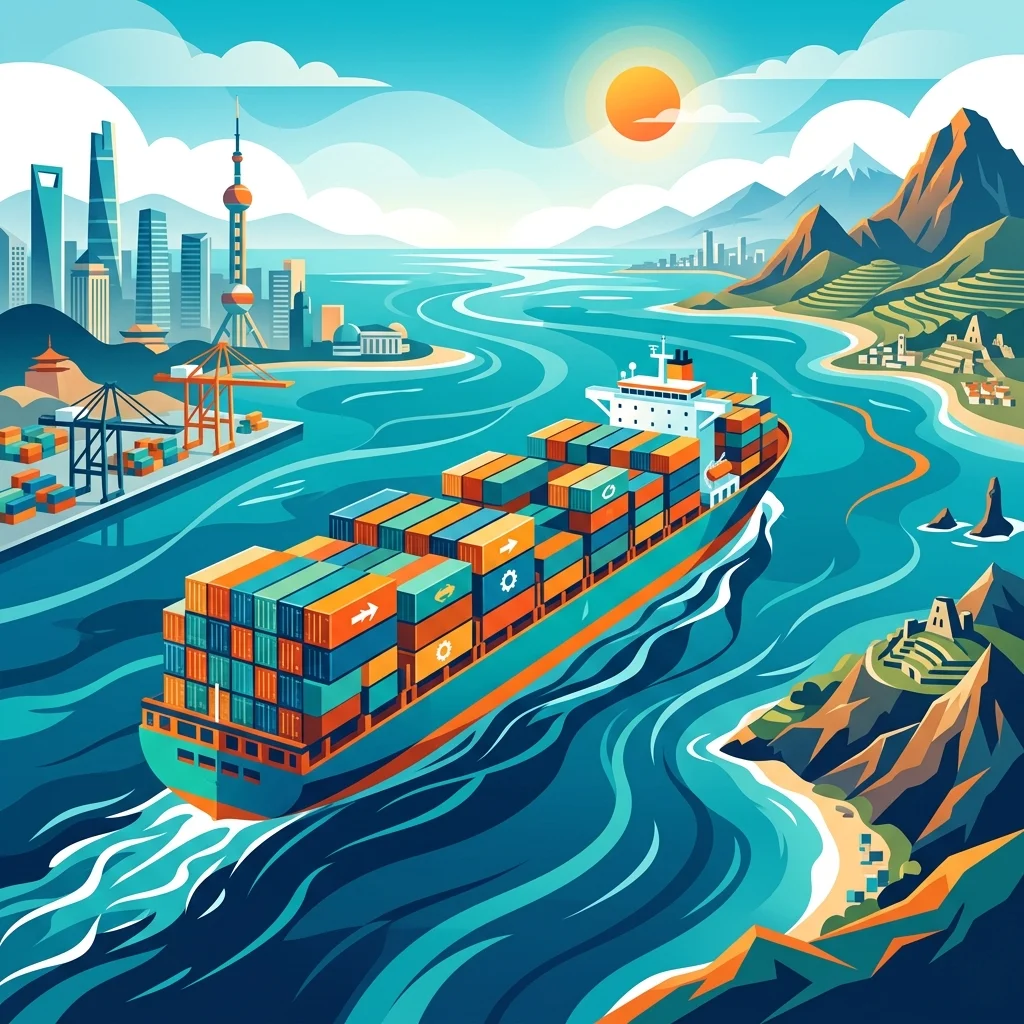
Current Importing Ecosystem in Peru
Importing products directly from China has established itself as the single most powerful growth engine for small-to-medium businesses and enterprises in Peru. It is no longer an ecosystem reserved exclusively for massive conglomerates; thanks to global B2B platforms, any ambitious entrepreneur can connect directly with Asian manufacturing facilities, eliminating local middlemen and achieving profit margins that frequently exceed300%to400%in wholesale and retail distribution.
However, with the widespread democratization of foreign trade, the operational sophistication required has also increased dramatically. Gone are the days when you simply clicked "buy" and waited for a package to arrive. In 2026,SUNAT (Peru National Customs and Tax Administration)enforces rigorous automated checkpoints and AI-powered risk profiling. A minor misclassification on your Tariff Code (Partida Arancelaria) or lacking permits from health agencies (DIGEMID) or telecommunications regulators (MTC) can trigger the immediate impoundment of your container at the Port of Callao, generating catastrophic demurrage and storage penalties.
In this comprehensive, 1,500+ word guide, we walk you step-by-step through every critical phase of the import lifecycle: from legal tax structuring in Peru, through factory validation in China, to final last-mile delivery directly to your warehouse doors.
Phase 1: Legal and Tax Preparation (SUNAT)
Before you even download WeChat to communicate with Chinese suppliers, your business must be properly structured to comply with Peruvian customs regulations.
1. Tax Identification Number (RUC):If you plan to import merchandise valued over $1,000 USD or complete more than 3 import shipments per year, having an active RUC is mandatory. While operating as a sole proprietor (RUC 10) is legally allowed, it isstrongly recommendedto incorporate as a legal entity (RUC 20), such as a SAC or EIRL. This shields your personal assets and unlocks commercial credit lines in USD to finance bulk orders.
2. Fiscal Domicile Status (Habido):Ensure your tax profile is completely up to date with SUNAT. Your status must show asACTIVEand your physical location verified asHABIDO. If customs inspectors verify your declared address and find discrepancies, your cargo risks entering "Legal Abandonment".
3. Restricted Cargo Classes:Many beginner importers source cosmetics, toys, or medical devices without realizing they are classified as restricted goods. Toys, for instance, require health clearance through DIGESA and VUCE to certify non-toxic paint formulations. Always demand the 6-digit Harmonized System (HS) Code from your supplier to confirm clearance requirements with your customs broker before shipping.
Costs & Requirements to Import from China to Peru in 2026: Master Ocean Freight & Customs Guide
Learn how to calculate the real landed cost of importing from China to Peru in 2026: SUNAT customs taxes (Ad Valorem, VAT, Perception), Port of Callao ocean freight, documentary checklist, and how to avoid predatory port storage fees.
Phase 2: Sourcing and Supplier Verification in Asia
The Chinese marketplace offers unmatched manufacturing power, but also harbors sophisticated fraudulent entities. Platforms like Alibaba.com, Made-in-China, and Global Sources serve as standard launching pads.
The Myth of the Lowest Quote:If a supplier quotes prices 40% below the industry baseline, they are likely using recycled, substandard materials or operating as an untrustworthy trading broker. In Asian business culture (Guanxi), you receive exactly what you pay for.
Gold-Standard Verification Criteria:
1.Trade Assurance:Never wire capital via Western Union or private personal bank accounts for initial purchases. Always mandate Alibaba Trade Assurance, which safeguards your funds in an escrow vault until you confirm the shipment matches agreed specifications.
2.Third-Party Audits (Verified Suppliers):Prioritize suppliers holding verified status badges. This confirms that premier global audit firms like SGS, TÜV Rheinland, or Intertek have physically inspected the plant, evaluated production capacity, reviewed ISO 9001 certifications, and confirmed authentic manufacturing capabilities.
3.Communication Speed and Professionalism:Legitimate suppliers readily provide video tours, address technical specifications, and communicate in fluent commercial English. DownloadWeChat, the indispensable tool for real-time negotiations and building long-term supplier partnerships in China.
Phase 3: Incoterms and Supply Chain Logistics Costing
International Commercial Terms (Incoterms) establish the exact threshold where legal risk and transportation liabilities transfer from the vendor to your company.
FOB (Free On Board):The most practical and recommended Incoterm for maritime sea freight into Peru. The Chinese manufacturer bears all costs to produce, package, and load your goods onto the vessel at their domestic port (e.g., Ningbo or Shenzhen). You then contract an international Freight Forwarder to handle transit to Callao.
EXW (Ex Works):The supplier merely makes goods available at their factory floor. You must arrange local trucking in China, export customs filings, and vessel stevedoring. Unless your freight forwarder maintains mature branch offices in China,avoid EXWfor consolidated cargo.
DDP (Delivered Duty Paid):Primarily utilized for expedited air courier consignments (such as DHL Express). The shipper manages the entire door-to-door transit and clears import duties. While seamless, it is economically prohibitive for heavy freight.
Phase 4: Customs Clearance at the Port of Callao
Once your ocean container or LCL consolidated shipment docks at Callao, the customs nationalization procedure initiates.
Licensed Customs Brokerage:Whenever your cargo FOB value exceeds$2,000 USD, Peruvian law mandates retaining a licensed Customs Broker authorized by SUNAT to represent your firm and lodge the formalDAM (Customs Merchandise Declaration).
You will disburse three fundamental import taxes:
1.Ad Valorem Tariff:Ranges from 0%, 6%, to 11% depending on the specific tariff subheading. Electronics and computing hardware frequently qualify for 0% under trade agreements.
2.Value Added Tax (IGV & IPM - 18%):Calculated over the total CIF valuation (Cost, Insurance, and Ocean Freight) plus the Ad Valorem duty.
3.VAT Advance Perception (Percepción IGV):An advance tax mechanism. First-time importers are assessed10%over the cumulative CIF + duties base. For subsequent operations, this rate lowers to3.5%. This balance is credited directly toward offsetting your domestic monthly sales tax obligations.
With clean documentation, original Commercial Invoices, Bill of Lading, and Form E Certificates of Origin, your shipment will obtain "Green Channel" clearance for prompt warehouse dispatch.
Can I import trademarked brand replicas from China?
Strictly NO. Importing counterfeit items (counterfeit Nike, Rolex replicas, etc.) constitutes an intellectual property crime. Peruvian Customs will impound the shipment immediately and initiate criminal referrals. Always build your original brand (OEM/ODM).
Is traveling to factories in Guangzhou or Yiwu required to begin?
Not at all. While visiting trade hubs is invaluable for multimillion-dollar volumes, beginners can engage professional third-party inspection firms (e.g., V-Trust, SGS) for $200–$300 USD. Qualified auditors verify quality and factory licenses prior to vessel loading.
What is a Freight Forwarder and why is it necessary?
A Freight Forwarder acts as a critical intermediary between your business and ocean carriers (such as Maersk or MSC). They consolidate cargo, secure volume shipping rates, and manage maritime documentation far more affordably than direct carrier bookings.
Real Landed Cost Breakdown: China to Peru
Summary of all 10 expenses required to bring cargo from a Chinese factory to your warehouse in Peru.
| Concept / Fee | Entity / Provider | Estimated Range | Key Importer Note |
|---|---|---|---|
| 1. FOB Value (Goods) | Supplier / Factory in China | Factory price + inland transport to Chinese port | Commercial Invoice value negotiated with supplier. Customs taxable base. |
| 2. International Ocean Freight | Qargo (Freight Forwarder) | FCL: $1,200 - $2,800 / ctr | LCL: $35 - $65 / CBM | Port-to-port ocean transit (Ningbo/Shanghai ➔ Callao). |
| 3. International Cargo Insurance | Insurance Company / Qargo | 0.35% - 0.75% of FOB (Min. $25 - $45) | Protects against general average, container dampness or accidents. |
| 4. CIF Value (Customs Base) | SUNAT Valuation Reference | FOB + Freight + Insurance | The legal base upon which all import taxes are computed. |
| 5. Ad Valorem Tariff | SUNAT (Customs) | 0%, 6% or 11% of CIF (0% with China-Peru FTA) | Depends on HS Code. Form F certificate can yield 0%. |
| 6. IGV (16%) + IPM (2%) | SUNAT (Customs) | 18% over (CIF + Ad Valorem) | Tax credit (crédito fiscal) recoverable in your monthly declarations. |
| 7. SUNAT Perception | SUNAT (Customs) | 3.5% (Frequent importer) | 10% (1st import) | Advance payment of future sales tax; deductible against monthly VAT. |
| 8. Callao Port & Warehouse Fees | APM Terminals / DP World / Bonded Warehouse | $350 - $750 (Gate out, THC, traction, document release) | Local port handling; transparent and free of predatory markups with Qargo. |
| 9. Customs Broker (Agencia de Aduanas) | Qargo Customs Broker | 0.4% - 0.8% of CIF (Standard min. $120 - $180) | Mandatory legal dispatch for commercial shipments > US$ 2,000 FOB. |
| 10. Domestic Delivery | Qargo Local Transport | $100 - $350 (Lima Metropolitan area) | Trucking from Callao bonded warehouse to your door. |
Pro Tip: Never negotiate CIF with suppliers in China unless you have a written matrix of local destination fees in Callao. In 90% of cases, FOB gives you lower net costs and full control.
You Might Also Be Interested In
Expand your knowledge with more international trade guides.
Exporting from Peru to Europe in 2026: Freight Costs, EUR.1 Certificate, Cadmium Limits & EU Customs Regulations
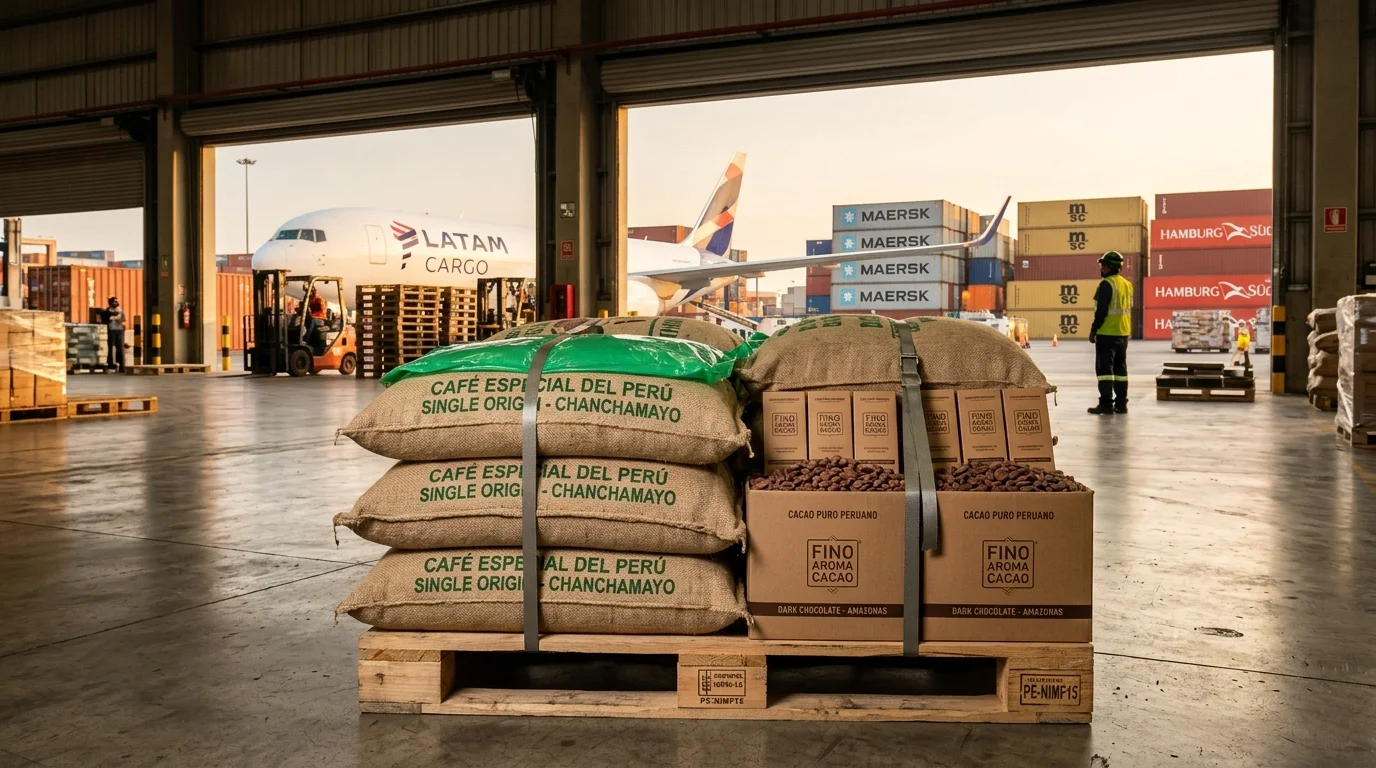
How to Export Coffee and Cacao Chocolates from Peru (2026): SENASA/DIGESA Permits, $2,000 vs $5,000 SUNAT Rule & Packaging