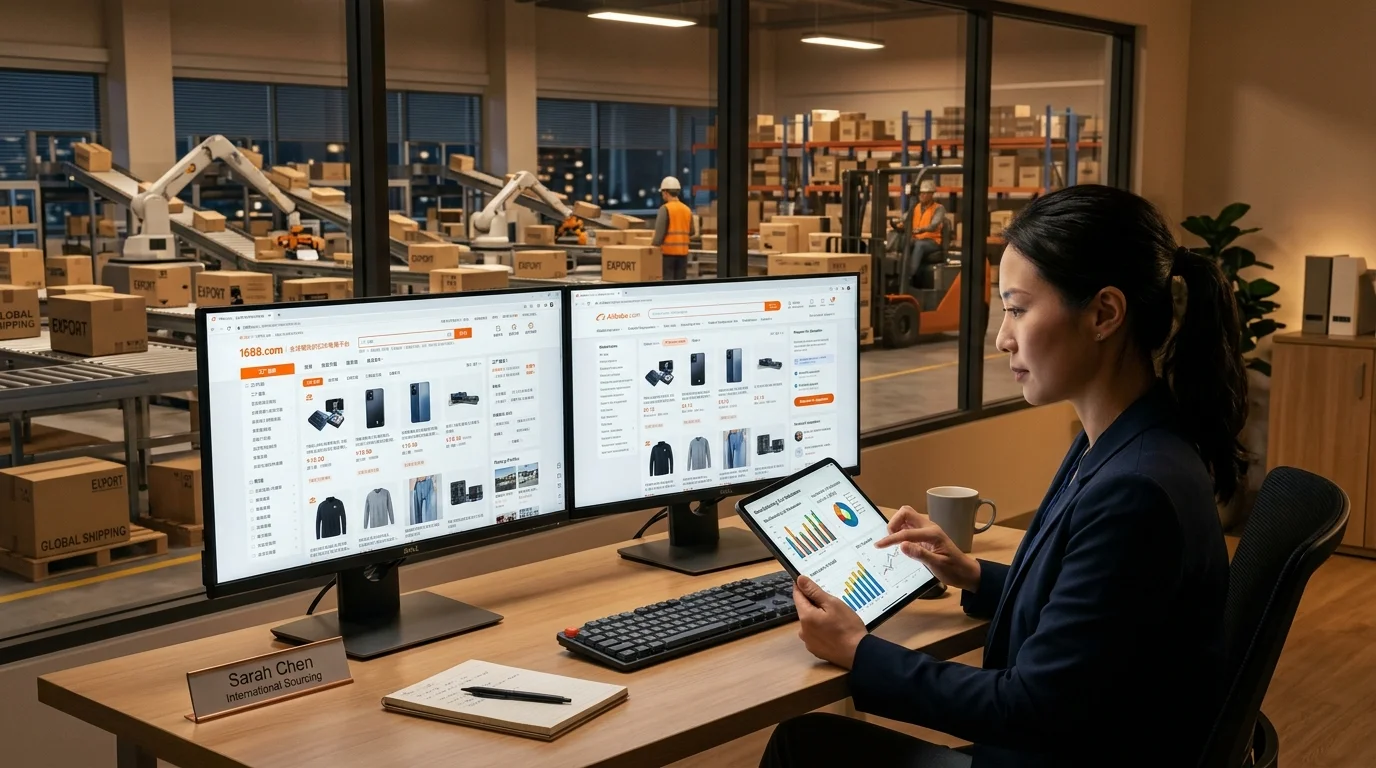
Top Profitable Products to Import from China to Peru in 2026: 0% Tariff Niches & High Demand
1. The Golden Rule: Net Profitability vs Regulatory Feasibility
Selecting which commodities to import from China to Peru is the single most critical strategic decision governing the profitability of commercial distributors and emerging entrepreneurs. Every year, commercial buyers stumble not due to lack of market demand, but because they pursue products with theoretical gross margins that are ultimately eliminated by regulatory barriers: unbudgeted health licenses, costly ministerial homologation filings, or disproportionate volumetric freight fees.
In 2026, the Peruvian foreign trade environment presents extraordinary commercial opportunities. Under the fully operational bilateral China-Peru Free Trade Agreement (FTA), over 95% of industrial tariff lines enter duty-free (0% Ad Valorem) when backed by official Form F Certificates of Origin. Concurrently, regional electrification, smart home automation adoption, and small business modernization across Lima and regional hubs have triggered massive consumer appetite for goods manufactured with unmatchable Asian scale.
In this comprehensive master guide exceeding 1,600 words developed by Qargo's trade analysts, we detail the top 7 commercial niches delivering the highest real net profitability (gross margins between 40% and 75%), analyzing official customs HS codes, SUNAT regulatory frameworks, and ocean logistics strategies to maximize commercial ROI.
2. The 7 Highly Profitable Import Niches for 2026

How to Import from China to Peru in 2026: The Ultimate Step-by-Step Guide for Businesses
Discover the complete roadmap for successful commercial imports from China to Peru. Learn how to verify trustworthy suppliers on Alibaba, negotiate Incoterms, calculate real import taxes, and clear customs without penalties.
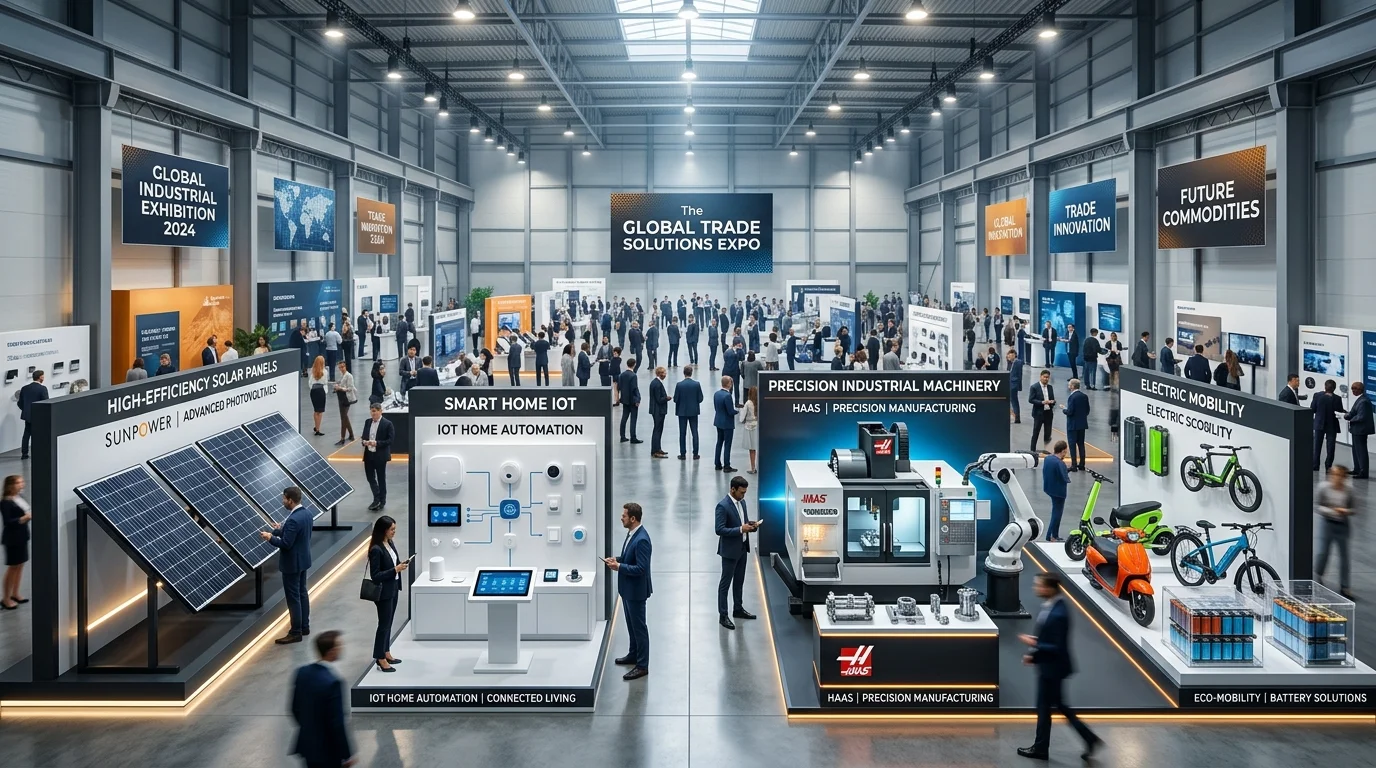
Niche 1: Solar Energy, Hybrid Inverters & LiFePO4 Lithium Energy Storage. Peru is experiencing rapid renewable adoption across off-grid provinces and industrial enterprises seeking to hedge commercial power rates. Core items: High-efficiency monocrystalline solar panels, MPPT charge controllers, hybrid inverters, and modular lithium battery storage banks. Customs Tariff: 0% general tariff duty. Regulatory status: Free import (batteries require standard MSDS documentation for hazardous marine handling). Estimated gross margin: 45% to 65%.
Niche 2: Smart Home Automation, Biometric Security & IoT. Surging demand for residential and commercial security in urban Peru drives massive sales of biometric smart door locks (fingerprint, facial recognition, Zigbee/Tuya wireless protocol), standalone 4G solar surveillance cameras, and perimeter alarm sensors. High economic density ensures maritime freight accounts for under 4% of total landed FOB value. Estimated gross margin: 50% to 70%.
Niche 3: Light Industrial Machinery, Cordless Power Tools & Capital Equipment. Peruvian workshops and construction firms consistently demand brushless battery tools: rotary hammer drills, compact inverter arc welders, portable chain saws, and fiber laser cutting machines. Under SUNAT fiscal policy, industrial capital assets enter with 0% Ad Valorem tariffs to incentivize national productivity. Estimated gross margin: 40% to 55%.
Niche 4: Urban Electric Mobility & High-Demand Spare Parts. 350W to 1000W electric commuter scooters, pedal-assist e-bikes, and lucrative aftermarket consumables: solid puncture-proof tires, ceramic brake pads, replacement battery modules, and digital throttle displays. High repurchase rates make this ideal for consolidated LCL shipments from 2 to 5 CBM with Qargo. Estimated gross margin: 45% to 60%.
Niche 5: Commercial, Industrial & Architectural LED Lighting. High-output solar floodlights for logistics yards, UFO high bay fixtures for industrial warehouses, and architectural COB strip profiles. Substantial electrical utility savings drive recurring B2B corporate contracts. Estimated gross margin: 55% to 75%.
Niche 6: Biodegradable Packaging, Sugarcane Bagasse Containers & Automated Sealing Equipment. Domestic legislation restricting single-use plastics has prompted restaurants, e-commerce retailers, and food processors to transition to compostable clamshells and thermal labeling machines. Estimated gross margin: 35% to 50% with rapid monthly turnover.
Niche 7: Commercial Fitness Equipment & Home Gym Systems. Multi-functional pilates reformers, quick-adjust selectorized dumbbells, resistance bands, and high-density rubber gym flooring. Home fitness and boutique functional training studios continue their sustained commercial expansion. Estimated gross margin: 45% to 65%.
Real Landed Cost Breakdown: China to Peru
Summary of all 10 expenses required to bring cargo from a Chinese factory to your warehouse in Peru.
| Concept / Fee | Entity / Provider | Estimated Range | Key Importer Note |
|---|---|---|---|
| 1. FOB Value (Goods) | Supplier / Factory in China | Factory price + inland transport to Chinese port | Commercial Invoice value negotiated with supplier. Customs taxable base. |
| 2. International Ocean Freight | Qargo (Freight Forwarder) | FCL: $1,200 - $2,800 / ctr | LCL: $35 - $65 / CBM | Port-to-port ocean transit (Ningbo/Shanghai ➔ Callao). |
| 3. International Cargo Insurance | Insurance Company / Qargo | 0.35% - 0.75% of FOB (Min. $25 - $45) | Protects against general average, container dampness or accidents. |
| 4. CIF Value (Customs Base) | SUNAT Valuation Reference | FOB + Freight + Insurance | The legal base upon which all import taxes are computed. |
| 5. Ad Valorem Tariff | SUNAT (Customs) | 0%, 6% or 11% of CIF (0% with China-Peru FTA) | Depends on HS Code. Form F certificate can yield 0%. |
| 6. IGV (16%) + IPM (2%) | SUNAT (Customs) | 18% over (CIF + Ad Valorem) | Tax credit (crédito fiscal) recoverable in your monthly declarations. |
| 7. SUNAT Perception | SUNAT (Customs) | 3.5% (Frequent importer) | 10% (1st import) | Advance payment of future sales tax; deductible against monthly VAT. |
| 8. Callao Port & Warehouse Fees | APM Terminals / DP World / Bonded Warehouse | $350 - $750 (Gate out, THC, traction, document release) | Local port handling; transparent and free of predatory markups with Qargo. |
| 9. Customs Broker (Agencia de Aduanas) | Qargo Customs Broker | 0.4% - 0.8% of CIF (Standard min. $120 - $180) | Mandatory legal dispatch for commercial shipments > US$ 2,000 FOB. |
| 10. Domestic Delivery | Qargo Local Transport | $100 - $350 (Lima Metropolitan area) | Trucking from Callao bonded warehouse to your door. |
Pro Tip: Never negotiate CIF with suppliers in China unless you have a written matrix of local destination fees in Callao. In 90% of cases, FOB gives you lower net costs and full control.
Which Incoterm should you choose with Chinese suppliers?
Free On Board (Port of China)
The supplier pays all export taxes and moves cargo onto the ship in China. You choose and pay the freight agent in Peru.
- 100% transparent Callao destination fees
- Full control over transit times and shipping line
Cost, Insurance & Freight
The supplier offers 'cheap' freight, but delegates the arrival to predatory port agents in Callao charging inflated handling fees.
- Risk of $500 to $2,000+ hidden destination charges
- Zero control over carrier or local release
Ex Works (Factory Floor)
You assume all expenses from the factory door in China to Peru, including Chinese export license, trucking, and customs.
- Requires own logistics team in China
- Lowest factory net price
3. Frequently Asked Questions on Profitable China Commodities
Preguntas Frecuentes sobre Importar de China a Perú
Respuestas clave para resolver dudas legales, tributarias y logísticas antes de embarcar tu mercadería.
You Might Also Be Interested In
Expand your knowledge with more international trade guides.
Exporting from Peru to Europe in 2026: Freight Costs, EUR.1 Certificate, Cadmium Limits & EU Customs Regulations
How to Export Coffee and Cacao Chocolates from Peru (2026): SENASA/DIGESA Permits, $2,000 vs $5,000 SUNAT Rule & Packaging